




What Changed on the 2027 Volkswagen Atlas
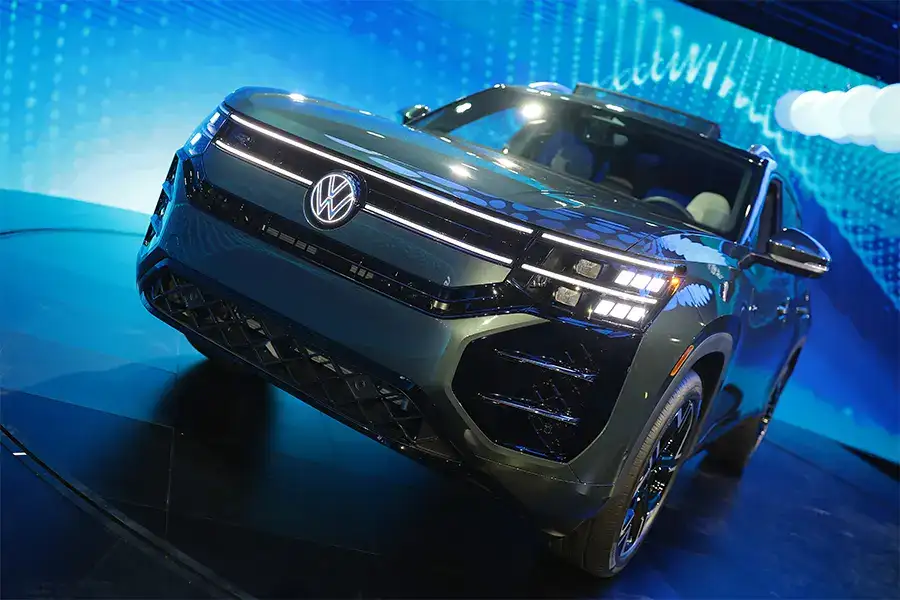
The 2027 Volkswagen Atlas does not change course. It sharpens the formula that made the Atlas such an important part of the VW lineup in the first place: roomy three-row utility, family-focused flexibility, and the kind of everyday comfort that fits school runs, grocery trips, and longer drives on I-93 just as easily as a weekend headed toward the Lakes Region.
That is what makes the new Atlas interesting. Volkswagen did not turn it into a different kind of SUV. It took the same basic mission and made the experience feel more modern, more refined, and more useful in the places owners notice most.
What’s Changed on the 2027 Atlas
Volkswagen has already shared a long list of upgrades for the all-new 2027 Atlas, and they go beyond styling alone.
The new Atlas brings:
- updated exterior sheet metal and redesigned front and rear lighting
- a new 2.0-liter EA888 Evo5 turbocharged four-cylinder engine
- 282 horsepower and 258 lb-ft of torque
- the updated MQB Evo architecture
- a redesigned cabin with soft-touch surfaces throughout
- real wood décor as standard equipment
- standard 10-color ambient lighting, with 30-color ambient lighting on upper trims
- a 12.9-inch touchscreen on the base model and a 15-inch infotainment display on all other trims
- a standard 10.25-inch Digital Cockpit Pro
- dual wireless charging
- a new Driver Experience Dial in the center console
- expanded IQ.DRIVE driver assistance technology
- a new front center airbag
- more family-focused standard equipment, including a power liftgate and rear sunshades
That is a substantial update, but the most important part is not how many features Volkswagen added. It is where those features are aimed.
This Is an Interior-and-Experience Redesign
The clearest story of the 2027 Atlas is inside the cabin.
Volkswagen completely reworked the interior with a stronger focus on materials, design, comfort, and day-to-day functionality. Soft-touch surfaces are now widespread, real wood décor is standard across the lineup, and the dashboard has a cleaner, more architectural design. Ambient lighting is standard, and upper trims add more customization along with premium upholstery and extra comfort features.
That matters because three-row SUV shoppers are not only comparing cargo room and seating capacity anymore. They are comparing how the vehicle feels during the commute, how easy the controls are to live with, how the cabin looks at night, how comfortable the seats feel in traffic, and whether the interior feels like it belongs in a vehicle they plan to keep for years.
The 2027 Atlas looks like Volkswagen understood that.
The Changes That Matter Most
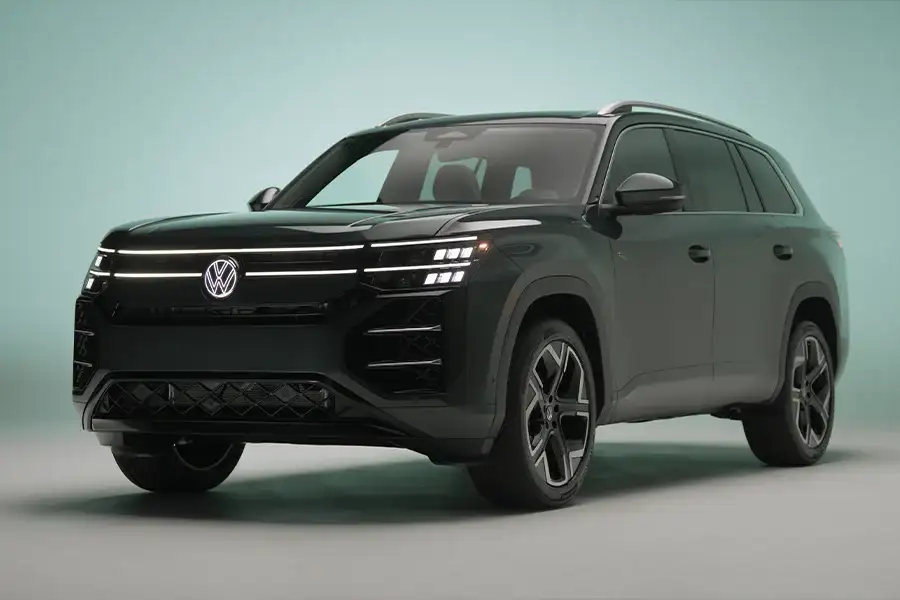
Some reveal details sound impressive in a headline but have limited effect on daily driving. Others quietly improve the ownership experience every time you get behind the wheel. The 2027 Atlas appears strongest in the second group.
A More Powerful Engine Without Changing the Mission
The new Atlas uses an updated 2.0-liter turbocharged engine rated at 282 horsepower and 258 lb-ft of torque. That makes it the most powerful Atlas yet, but the bigger point is not that Volkswagen suddenly turned the Atlas into a performance SUV.
The point is that VW improved power while keeping the Atlas focused on the same things buyers already value: confident everyday driving, family hauling, and easy long-distance comfort. Volkswagen also says the new engine is expected to deliver better fuel economy than the outgoing model, though final EPA numbers have not been released yet.
A Cabin Upgrade
This is where the redesign looks most meaningful.
Real wood décor is now standard. Ambient lighting is standard. The digital displays are larger and more modern. The shift lever moves to the steering column, which frees up more usable space in the center console. Drivers get a revised ergonomic seat design with enhanced lumbar support, and upper trims add even more comfort with features like available front-seat massage.
Volkswagen also added more of the practical features families appreciate every day, including a standard power liftgate, rear sunshades, dual wireless charging, and front and rear park distance control.
Those upgrades may not all look dramatic on a spec sheet, but together they suggest a much more thoughtful and upscale cabin experience.
Technology That Aims to Be Useful, Not Just Flashy
The screen story is important here, but not only because the displays are larger.
The base 2027 Atlas gets a 12.9-inch infotainment screen, while all other trims move up to a 15-inch display. Every model includes a 10.25-inch Digital Cockpit Pro. Volkswagen also adds a new Driver Experience Dial that can control functions like audio volume, drive modes, and Atmospheres settings.
The Atlas now offers room for two phones to charge side by side, along with multiple USB-C ports throughout the cabin. Volkswagen is also introducing a generative AI-enabled voice assistant through Premium Speech.
Some shoppers will care more about the big-screen look. Others will care more about how easily these systems fit into everyday use. Either way, the 2027 Atlas is clearly moving toward a more connected and more polished tech experience.
Safety and Driver Assistance Take a Step Forward
Volkswagen also used the redesign to expand safety and driver-assistance features.
A new front center airbag brings the total airbag count to seven. IQ.DRIVE remains standard, and VW says the system now includes upgrades to features such as Travel Assist and Emergency Assist. Travel Assist can now support driver-initiated lane changes, and Emergency Assist can guide the vehicle toward the side of the road if it detects a medical emergency. Park Assist Plus is also added on the top trim.
For many buyers, these additions matter just as much as the cabin upgrades. A three-row SUV is often chosen with family use in mind, so improvements in active safety and driver-assistance tech carry real value.
What Has Stayed Familiar
Just as important, Volkswagen did not move away from the Atlas basics.
The 2027 Atlas still centers on spacious three-row practicality. VW says the updated MQB Evo platform preserves the roomy third row and generous cargo space that helped define the model. The vehicle is about an inch longer than before, while width, wheelbase, and height remain essentially the same.
Front-wheel drive remains standard, and available 4Motion all-wheel drive returns across the lineup. An eight-speed automatic transmission is still part of the package. Towing capacity remains at up to 5,000 pounds when properly equipped with the factory-installed trailer hitch.
That continuity is good news. The Atlas did not need a complete identity change. It needed a better version of the same identity.
Who Should Shop the 2027 Atlas
The 2027 Atlas looks especially appealing for shoppers who want more than just space and seating.
- a more premium cabin design
- the newest VW technology and display layout
- more standard family-friendly convenience features
- upgraded driver-assistance features
- the latest version of VW’s three-row SUV from the start of a new generation
The Real Takeaway
The 2027 Volkswagen Atlas looks like Volkswagen focused on the right areas. Instead of trying to reinvent the Atlas, the brand refined the parts of the ownership experience that matter most to modern three-row SUV shoppers: interior quality, comfort, technology, convenience, and family-friendly usability.
For some drivers, that will make the new Atlas worth the wait. For others, it will confirm that the Atlas remains one of VW’s clearest answers to the needs of growing families and busy daily life.
To learn more about the Atlas or explore your options with the team at Nucar Volkswagen of Tilton, get in touch with us today. Everyone loves a Nucar!
0 comment(s) so far on What Changed on the 2027 Volkswagen Atlas